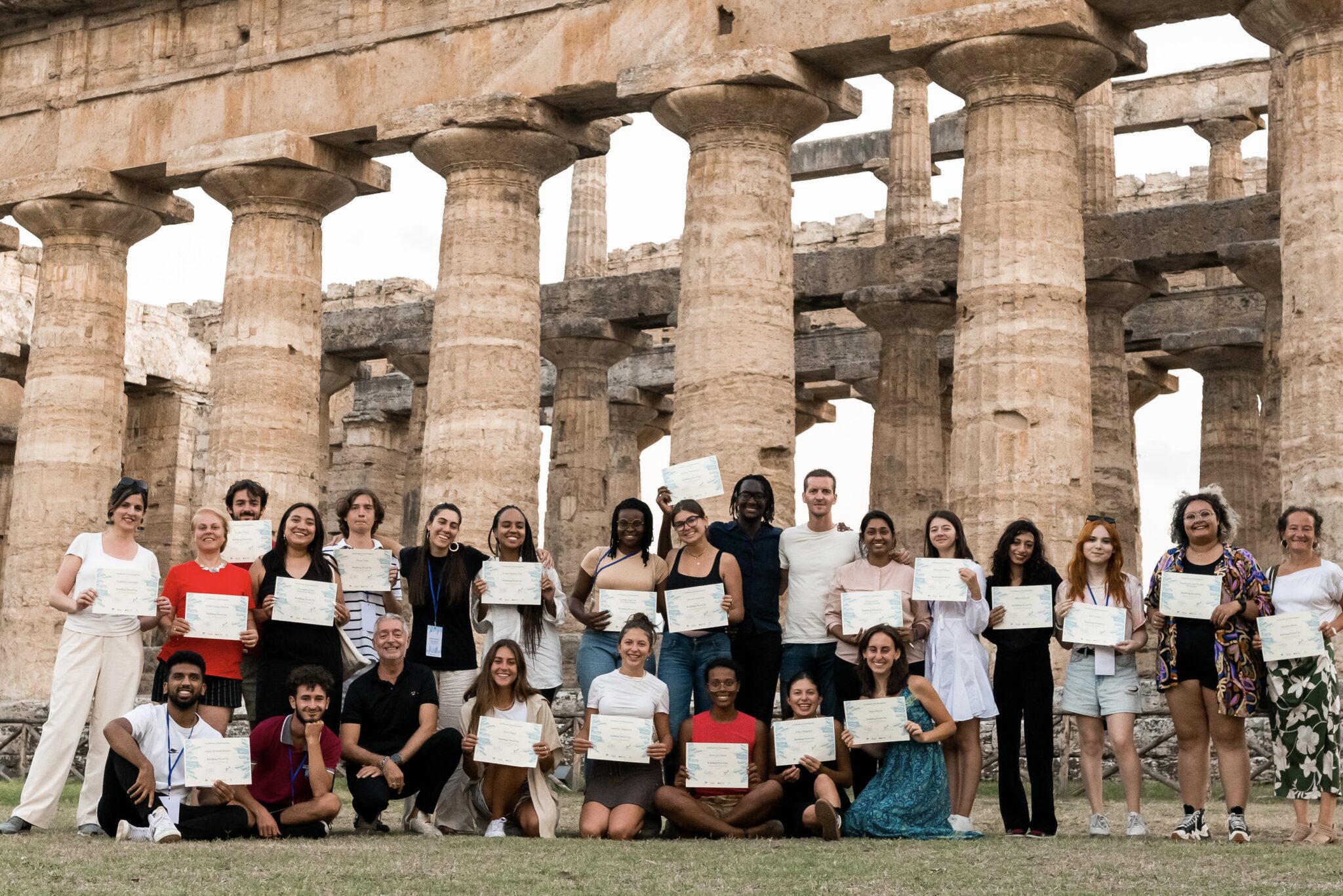
International learning communities create their greatest value when participants feel able to contribute their own experience while remaining open to new perspectives. Bringing people together is only the beginning; thoughtful design turns that meeting into meaningful learning.
1. Start with listening
Strong collaboration begins by understanding the people in the room. Listening helps facilitators recognize different expectations, communication styles and forms of knowledge before deciding how the group should work together.
2. Make participation accessible
Clear language, flexible formats and multiple ways to contribute allow more people to take part. Accessibility is not an additional feature—it shapes the quality and diversity of the conversation.
3. Connect ideas to real contexts
Participants engage more deeply when learning relates to the challenges they encounter in their communities. Practical examples help transform broad concepts into questions that people can explore and act on.
4. Create space for reflection
Reflection gives participants time to recognize what has changed in their thinking. It also helps a group identify which insights should continue beyond a workshop, exchange or program.
5. Support relationships after the program
The most durable outcomes often emerge later. Alumni connections, shared projects and ongoing conversations allow an international learning experience to keep generating local value over time.
When these principles work together, a diverse group becomes more than an audience. It becomes a community capable of learning across differences and carrying new ideas forward.