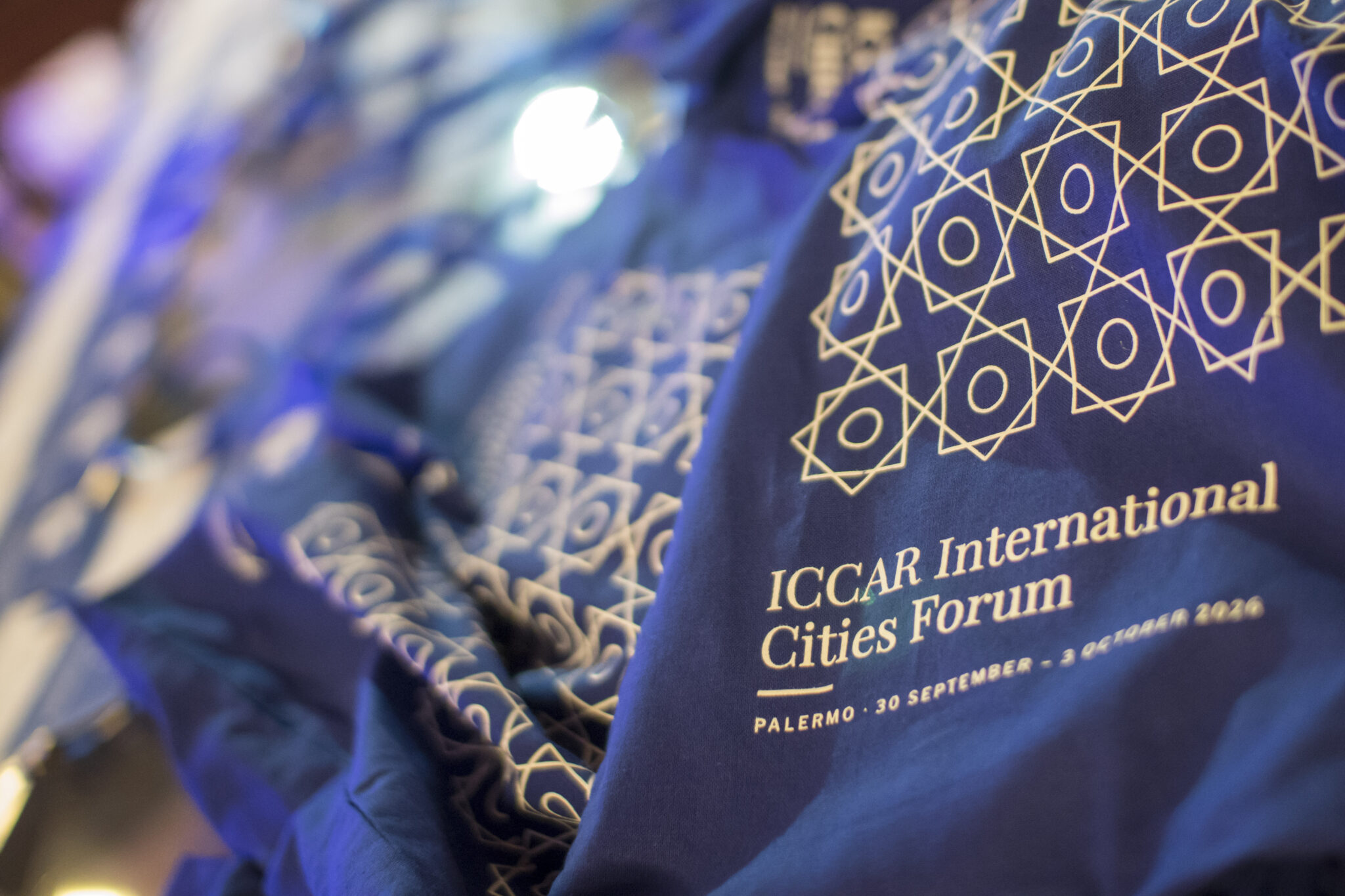
From 30 September to 3 October 2026, Palermo hosted the ICCAR International Cities Forum, promoted by UNESCO and ICCAR (the International Coalition of Inclusive and Sustainable Cities) and produced by Nova Project. The Forum took place in the splendid setting of Palermo’s Municipal Archive. Four days of work brought together city delegations, coalition representatives and Alumni of the Global Youth Bootcamp, to prepare for the 5th UNESCO Global Forum against Racism and Discrimination, taking place in The Hague on 29 and 30 October under the theme “From Commitment to Accountability”.
Why Palermo
2027 will be the Norman Year, and the Forum was deliberately conceived as its prelude, at the wish of the Mayor of Palermo, whose city is a member of ECCAR and therefore of ICCAR. In the 12th century, under Roger II, Palermo was the place where different cultures learned to live the city together: Arabs, Normans and Byzantines shaped its spaces, its laws, its beauty. The Palatine Chapel, the Zisa, the Martorana and San Giovanni degli Eremiti still speak today of an idea of urban space in which architecture was already a politics of inclusion. Hence the question the Forum put to cities: not what they have promised, but what has changed.
Why the Archive
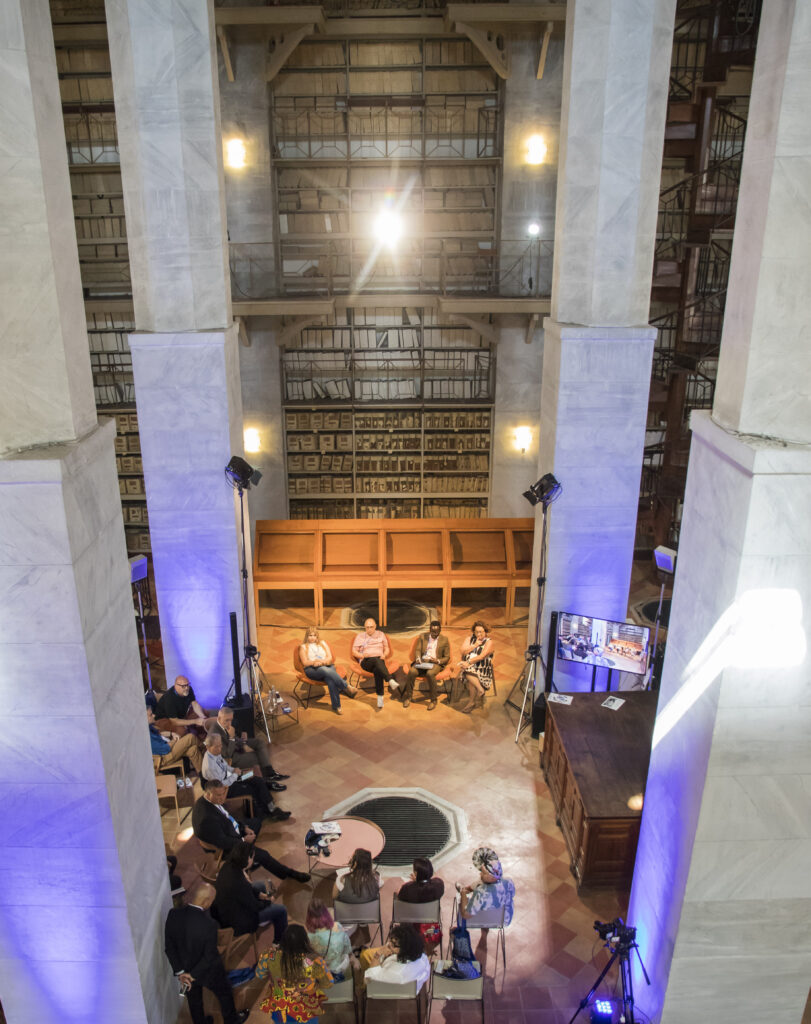
Holding a forum on accountability inside a city’s archive is a symbolic choice. An archive is where a community keeps the record of what it decided, promised and did, and where it can be asked to answer for it. This is the question the Forum put to cities: not what they have promised, but what has changed. The Palermo Contribution rests on the same idea: without data collection and analysis there can be no accountability for policies. Among centuries of registers, memory and measurement met, with speakers seated a few steps from the audience: an open exchange, not a stage facing a crowd.
Who took part
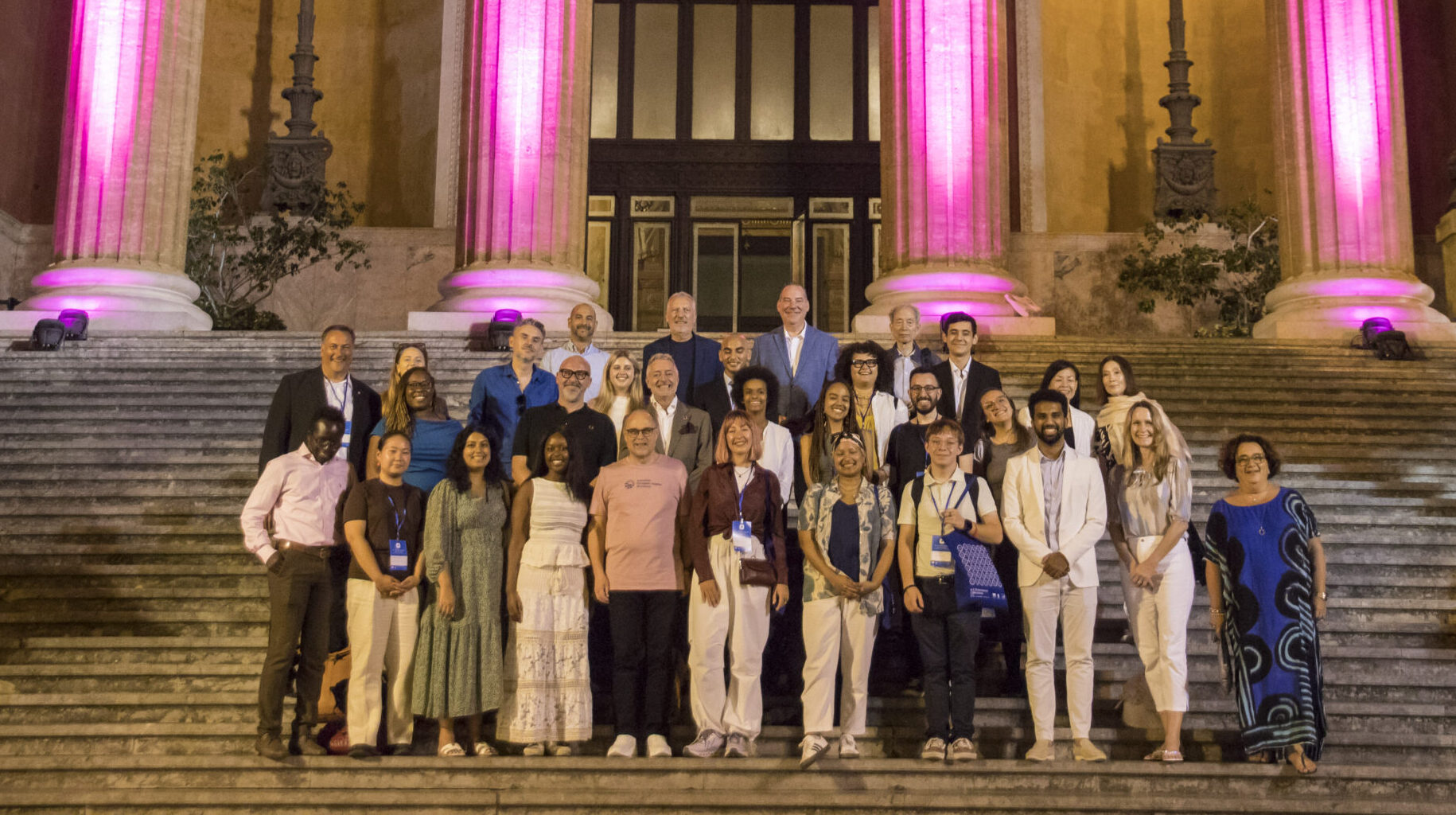
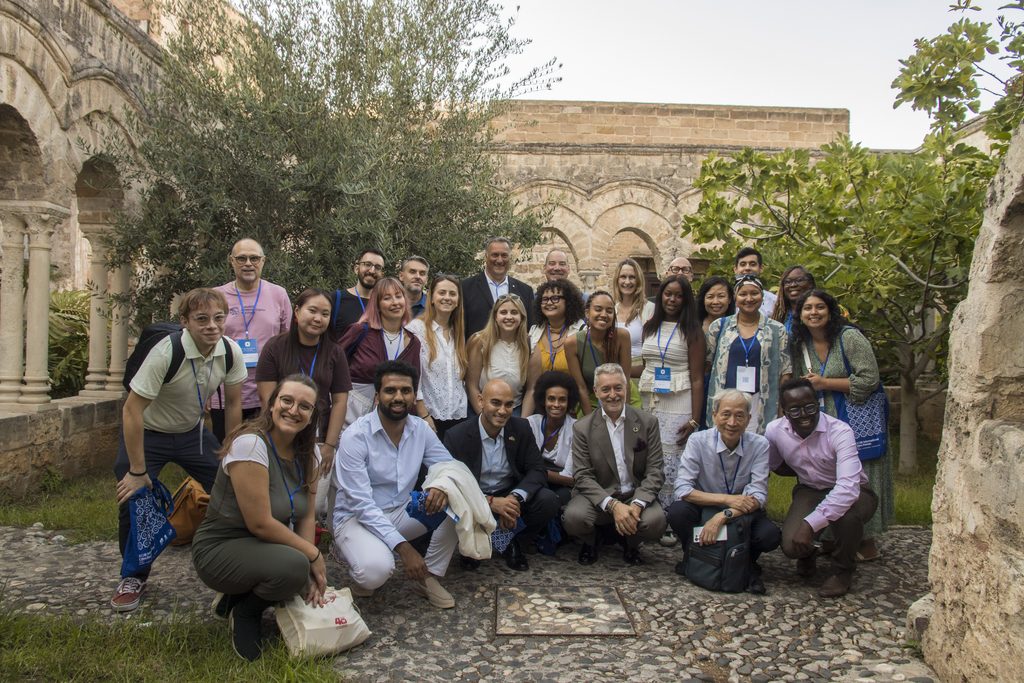
Besides city representatives, the Forum welcomed representatives of ECCAR, the United States coalition, the Latin America and Caribbean coalition and the Asia-Pacific coalition. The cities present were Columbus, Heidelberg, Ratzeburg, Gwangju, Pittsburgh, Oulu, Edmonton, Wrocław, Montevideo and Barcelona, together with Linda Tinio for UNESCO. Edmonton attended with an interest in dialogue with the Canadian coalition. They were joined by Bootcamp Alumni, selected from the last five editions, coming from Baku, Haifa, Ulan Bator, Chernivtsi, London, São Paulo, Bologna, Ottawa, Nairobi and Genoa. The sessions revolved around four themes: democracy under pressure, memory and intergenerational dialogue, the 10 Point Plan of Action as a compass towards measurable impact, and urban planning and coexistence.
A network that meets again
Benedetto Zacchiroli, President of ECCAR and Chair of the Global Steering Committee, recalled that a gathering with this level of open debate had not taken place since the historic meeting in Bologna on 17-18 April 2016. Since then the network has met only in online or formal Steering Committee sessions, and in Zacchiroli’s view a true forum for discussion once every ten years is not enough: the network must meet more often. ICCAR is not a wealthy network and requires no membership fees: its resources come from the will and commitment of each member. The goal is to feed into the Global Alliance Against Racism launched by UNESCO, where the voice of local governments must be single and unified to have maximum political effectiveness. A platform able to bring together seven regional and national coalitions alongside the younger generations, as the presence of Alumni from every edition of the Bootcamp demonstrates.
The Palermo Contribution
The exchange with the Alumni gave rise to the Palermo Contribution, drafted and approved by the ICCAR Global Steering Committee on 2 October as the cities’ contribution to The Hague. Its starting point: democracy is under pressure, and cities consider it the first value to defend. Strengthening it through inclusion policies means measuring its impact on people’s daily lives, openly addressing problems that carry political and social costs, such as those at the intersection of racism and environmental justice. The analysis carried out by ECCAR over the past three years shows that cities have grown more aware of the need to measure the impact of their policies, but that the tools to do so, in particular data collection and evaluation methods, still need to be strengthened: without data there can be no accountability for policies.
Cities will act within the Global Alliance against Racism and Discrimination, created by UNESCO in 2024 at the initiative of Barcelona, to build step by step a system for collecting and analysing equality data at urban level. They start from what the coalitions have already built: ECCAR’s Toolkit for Equality: Equality Data Collection (2024) and the measurement system developed by the Asia-Pacific coalition. The proposal is a global standard or, at minimum, a common set of core indicators for the seven coalitions, leaving room for regional and national specificities. Cities invite member states to support this work with resources.
Towards The Hague
Palermo is one stop in a broader journey that in 2026 has touched Barcelona, Oulu, Reggio Calabria, Gwangju and the Bootcamp. Now the collective voice of cities travels to The Hague: cities that hold firm, that measure, that report and that stay networked.
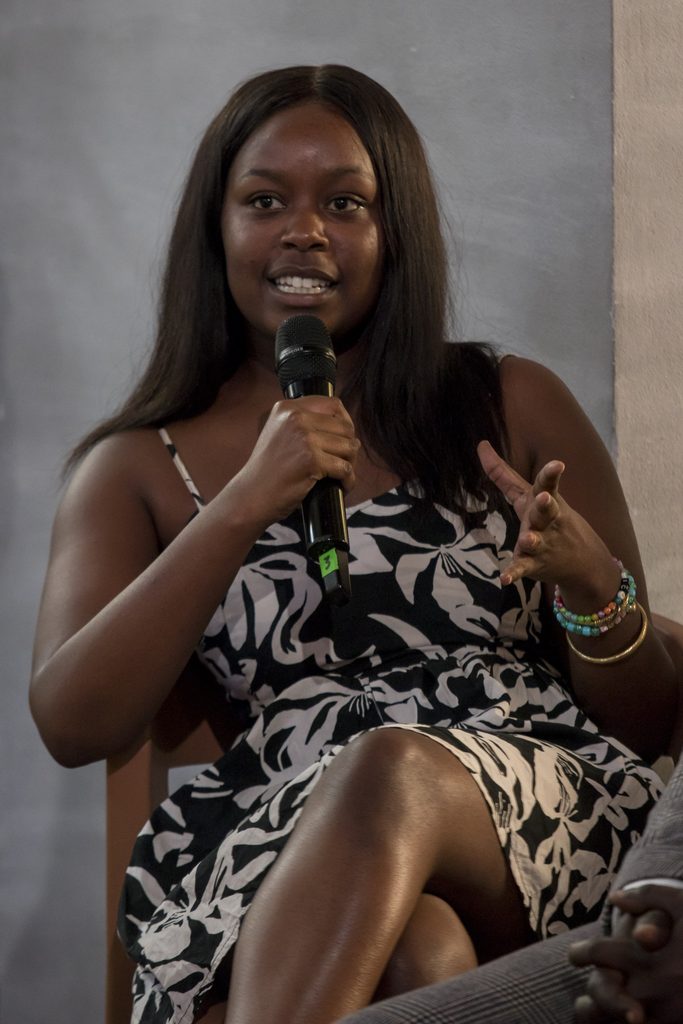
(United Kingdom – Alumni)
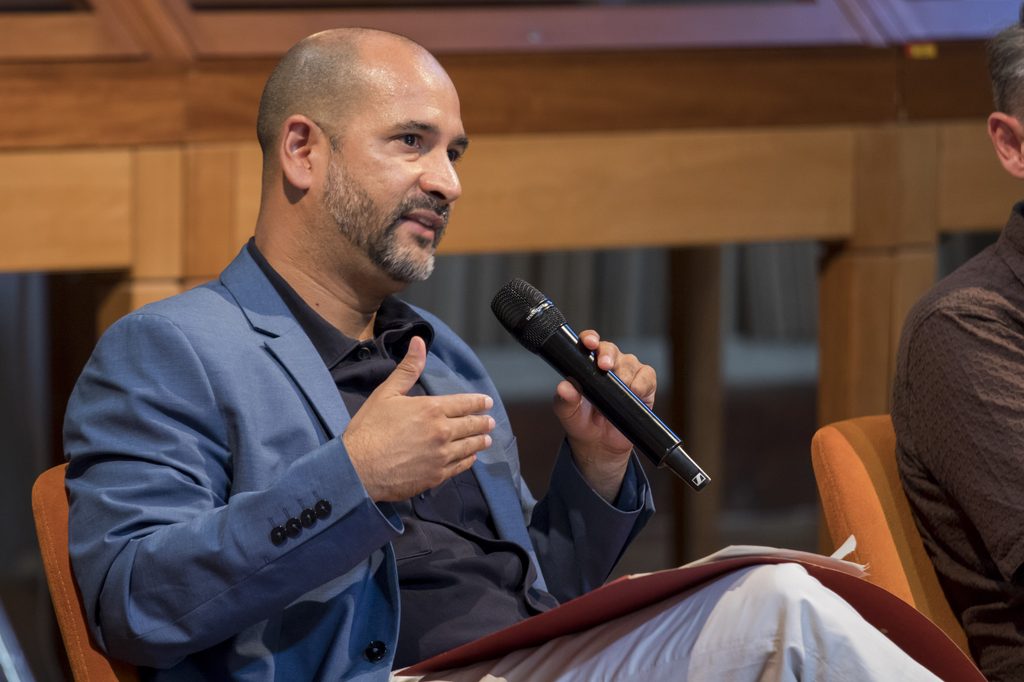
(City of Barcelona, Spain)
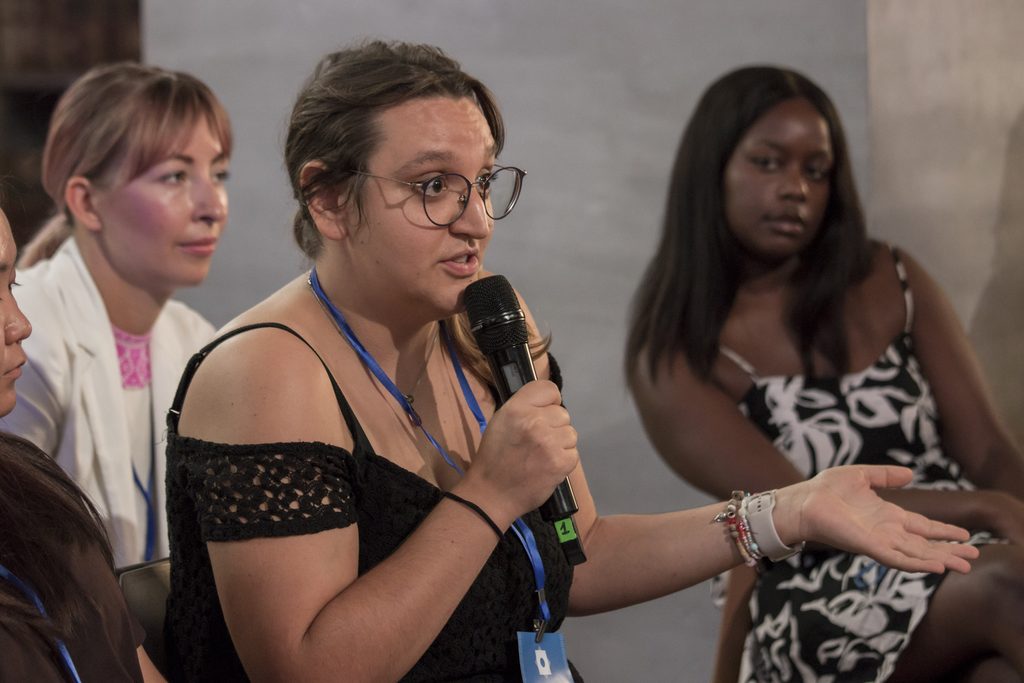
(Italy – Alumni)
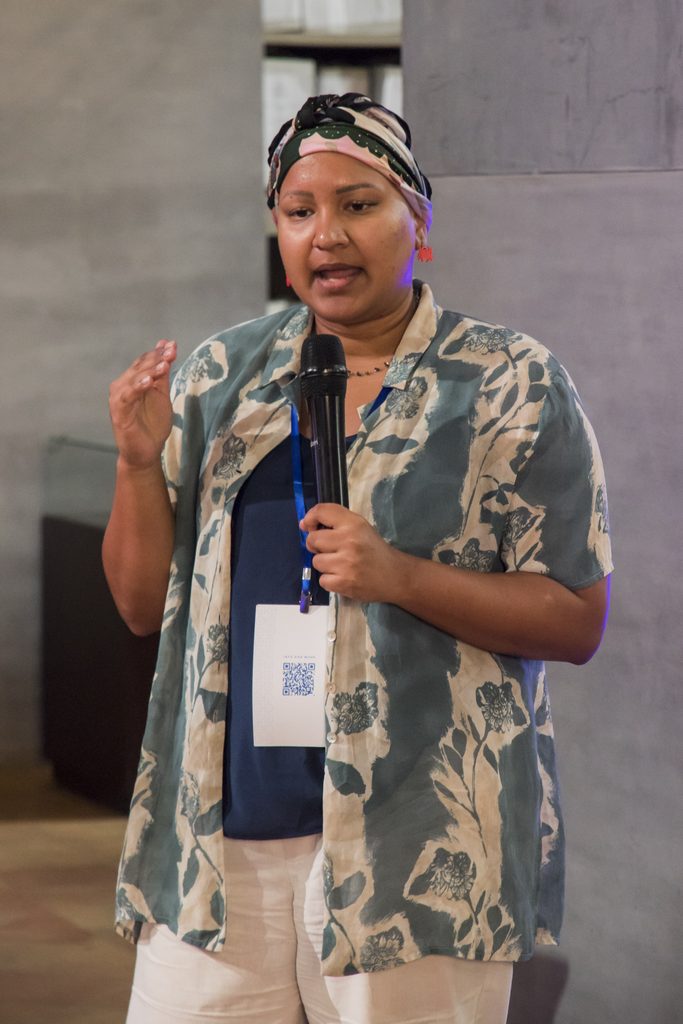
(Kenya – Alumni)
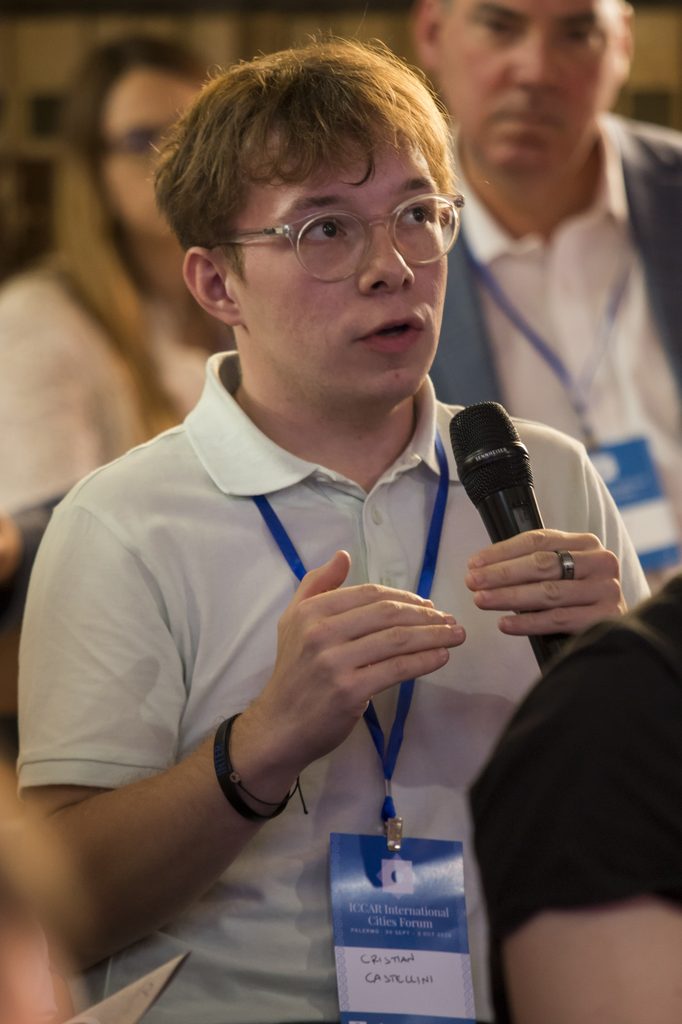
(Italy – Alumni)
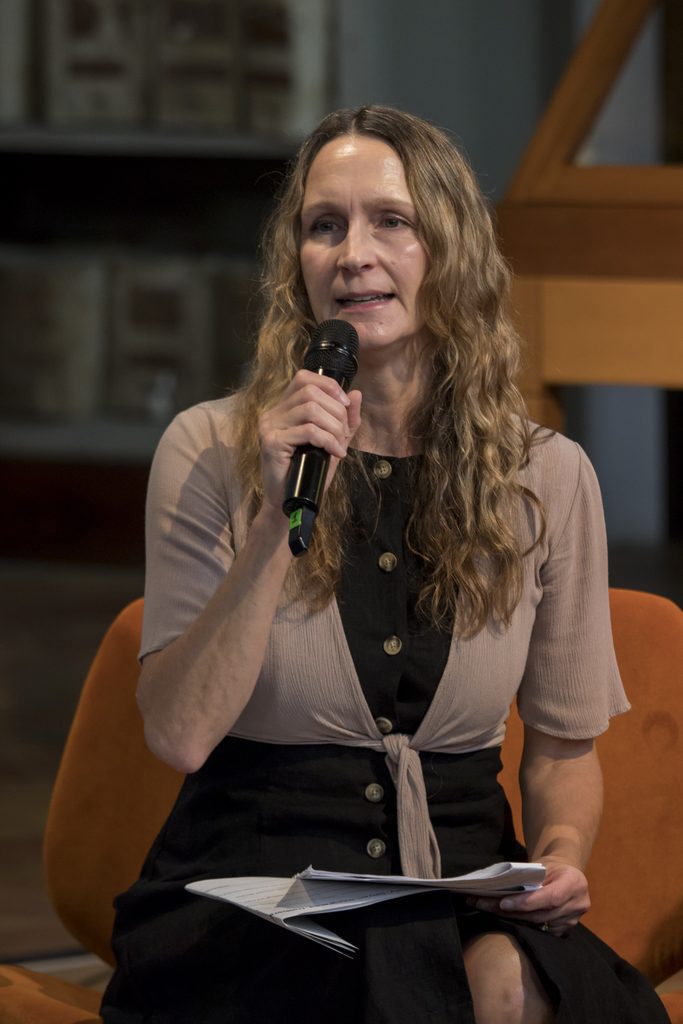
(City of Edmonton, Canada)
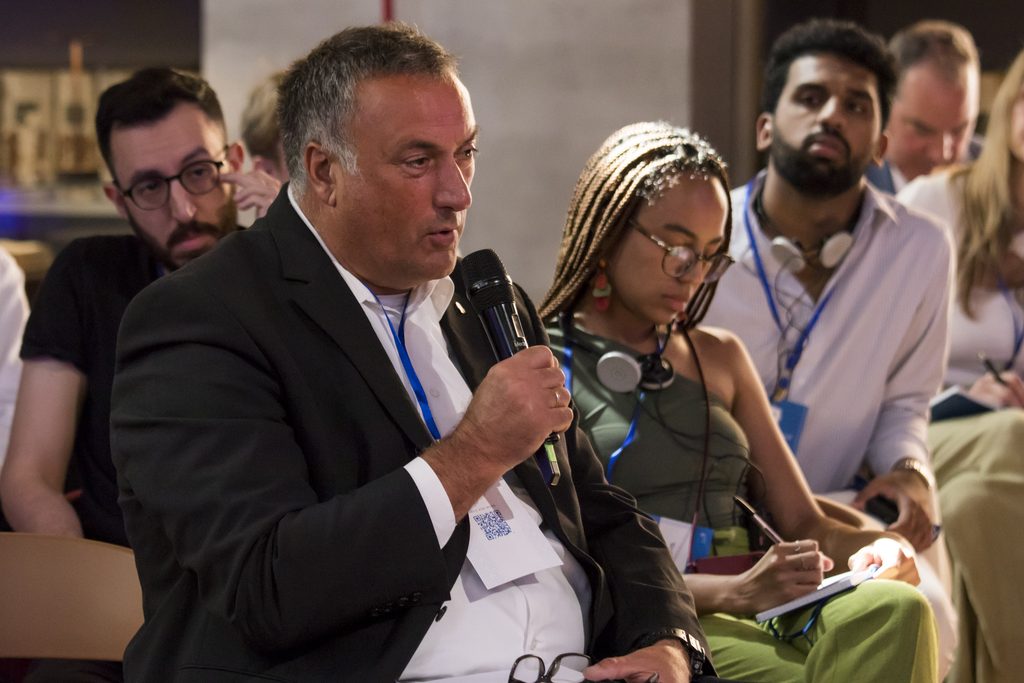
(Mayor of Ratzeburg, Germany)
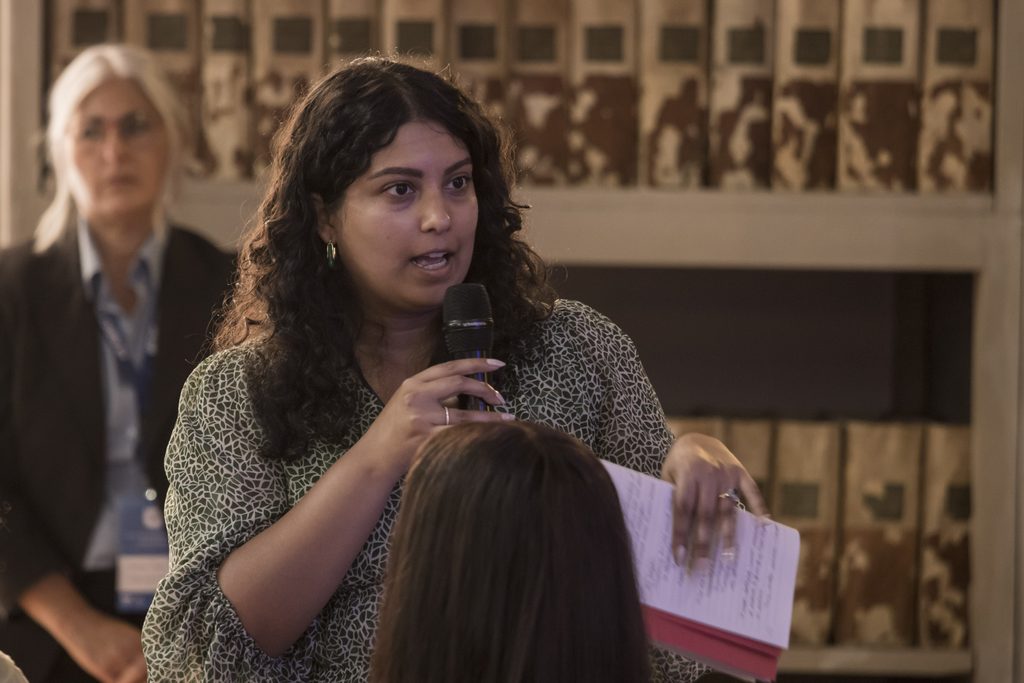
(Canada – Alumni)
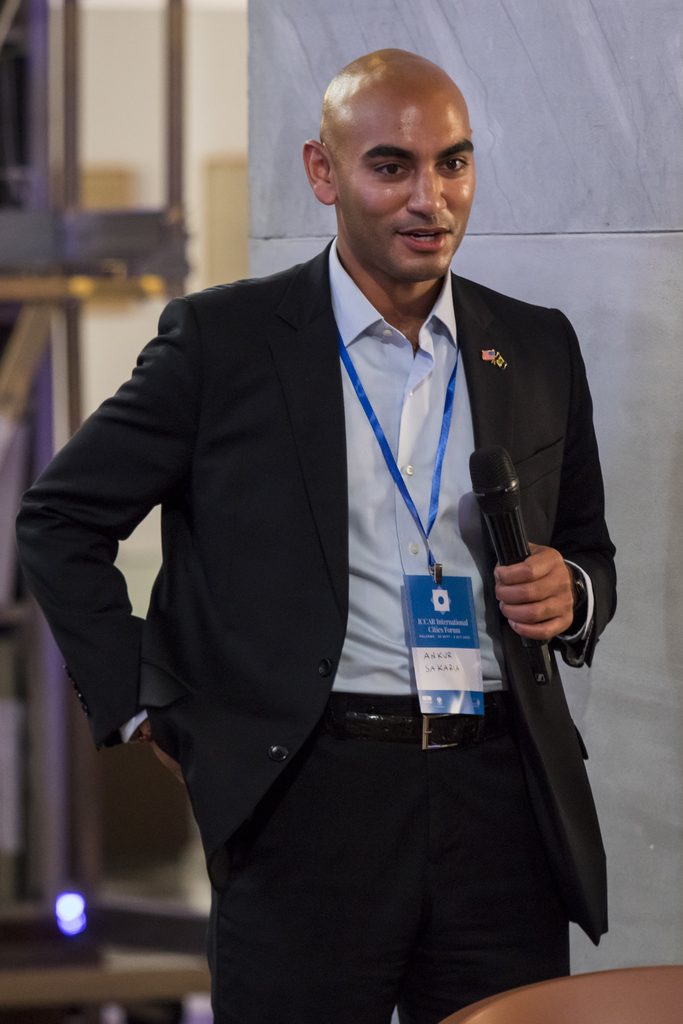
(City of Pittsburgh, USA)

(Ukrain – Alumni)
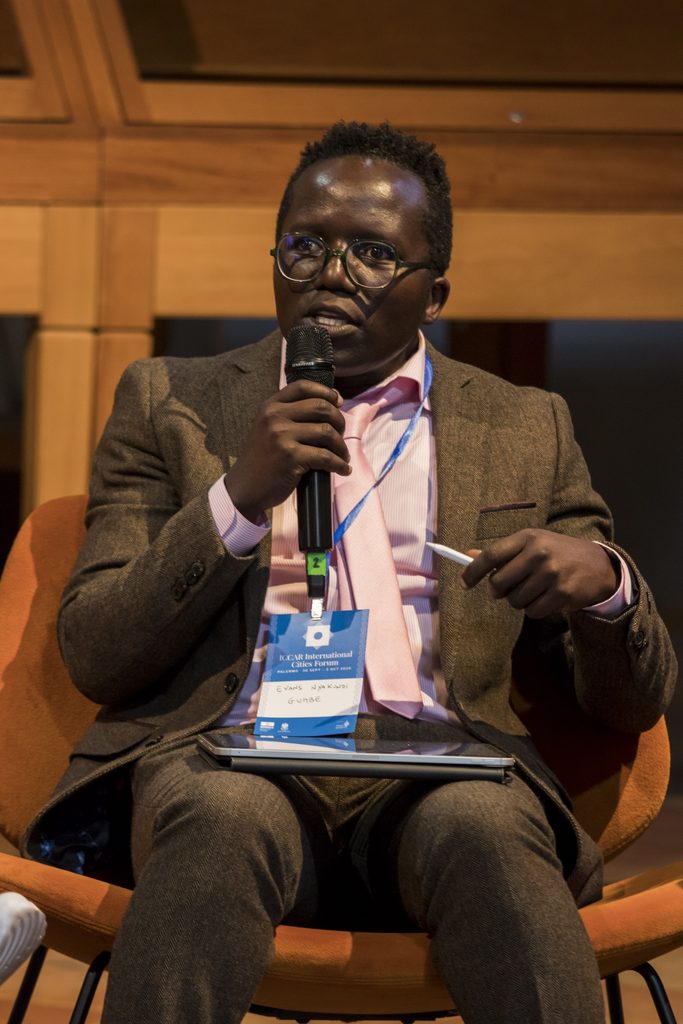
(City of Ratzeburg, Germany)
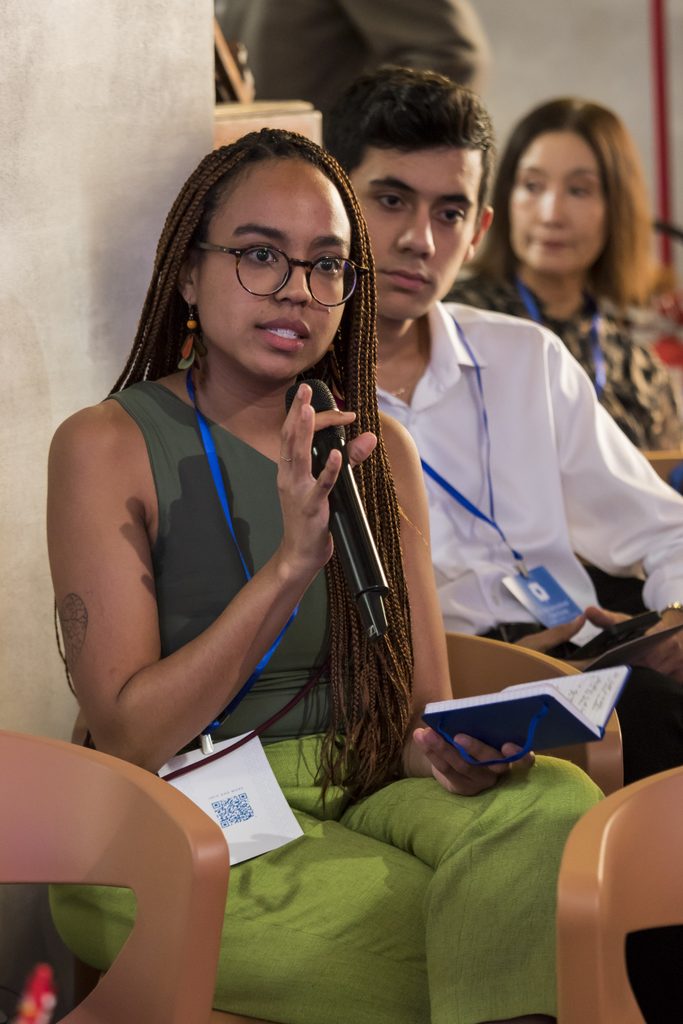
(Brasil – Alumni)
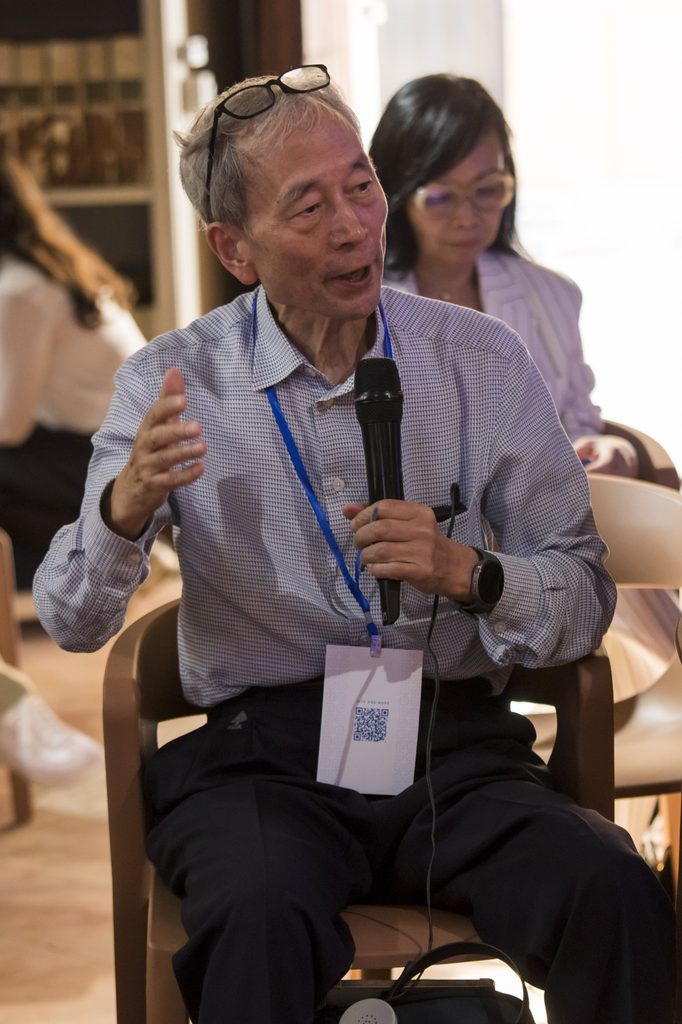
(City of Gwangju, South Korea)
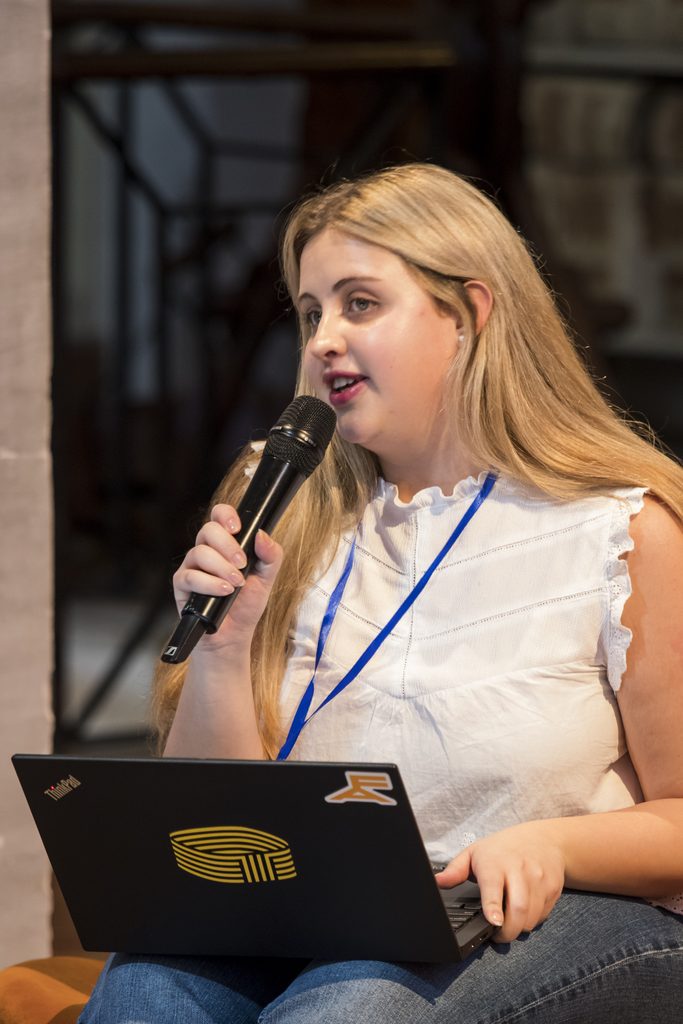
(City of Montevideo, Uruguay)
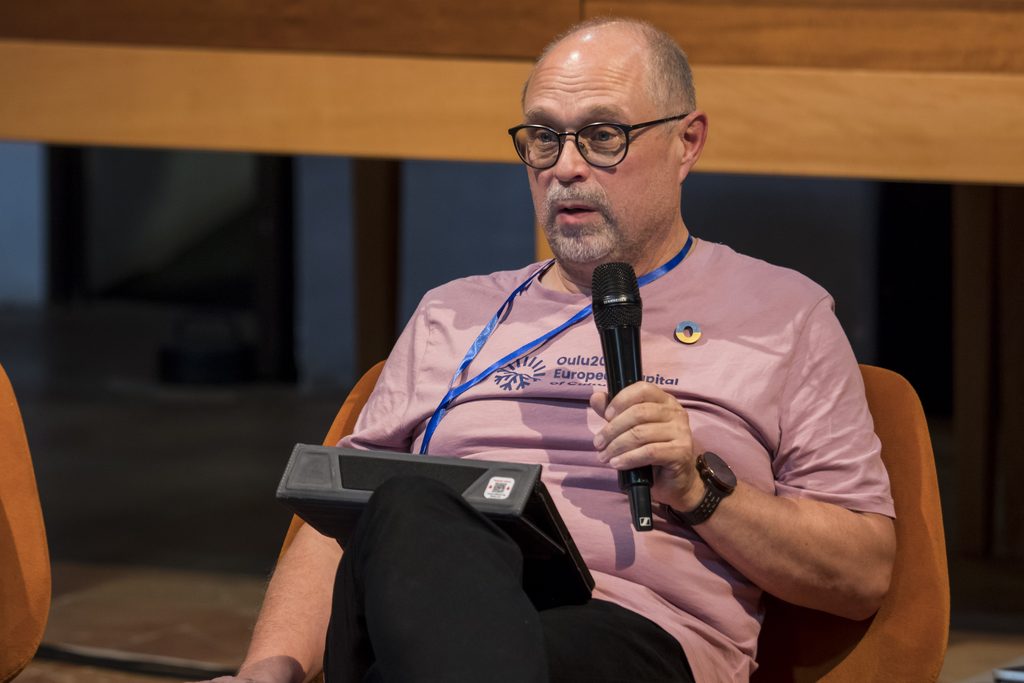
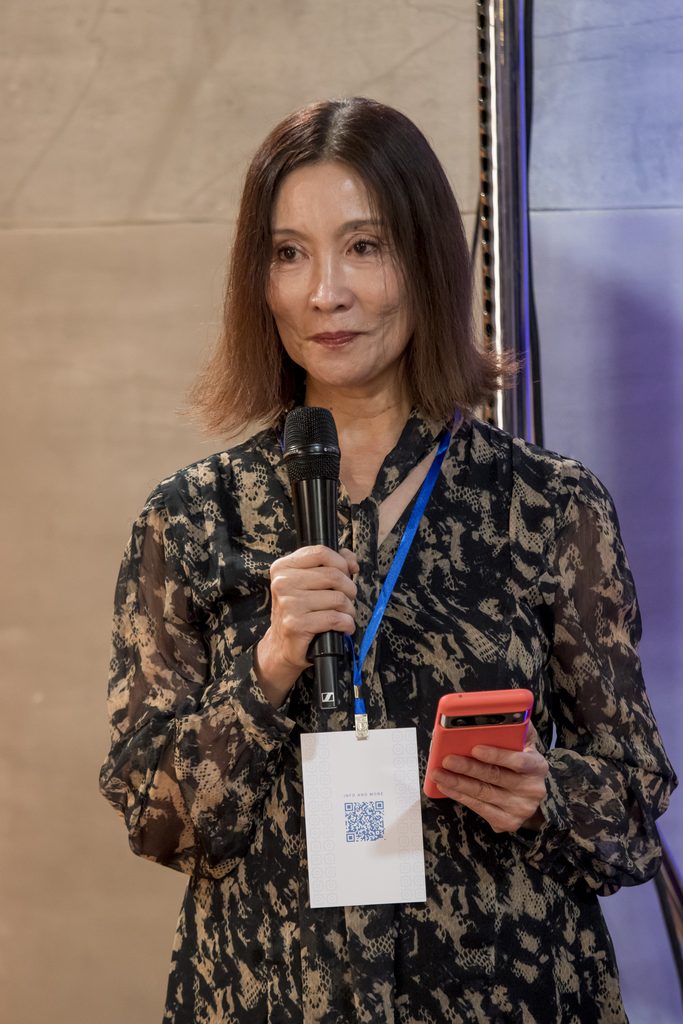
(University of Wales Trinity St David)
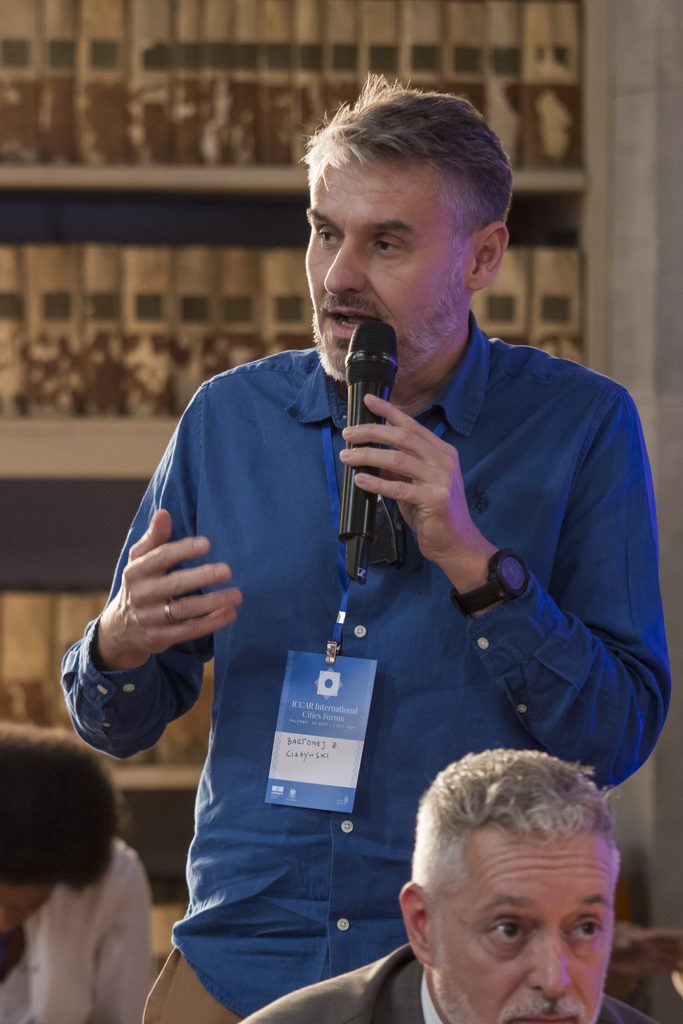
(City of Wrocław, Poland)
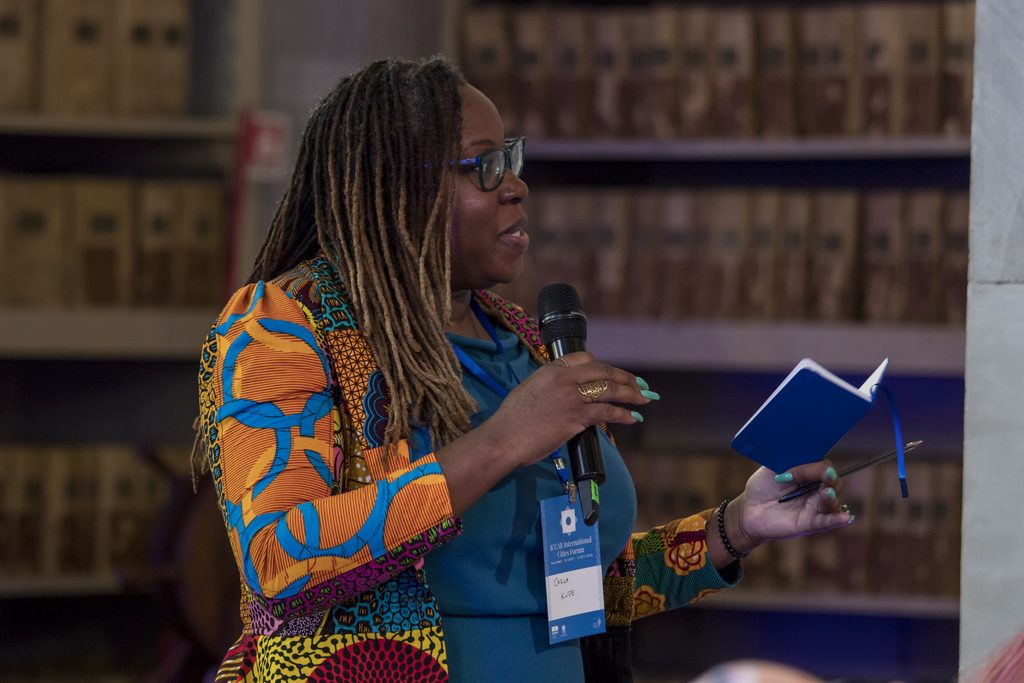
(City of Chicago – USA)
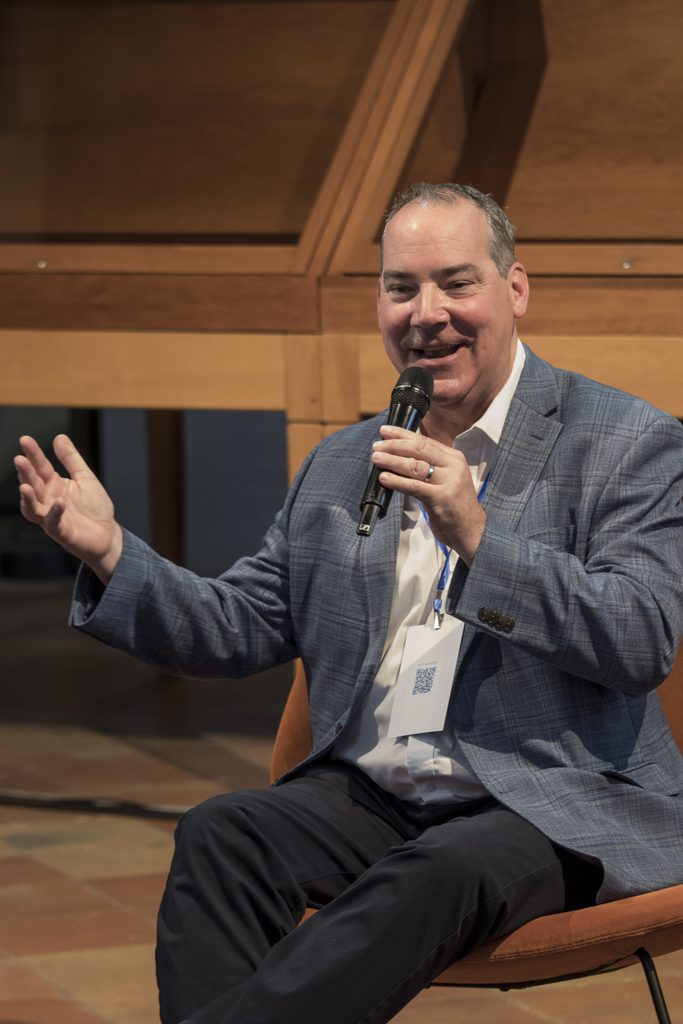
(City of Columbus, USA)
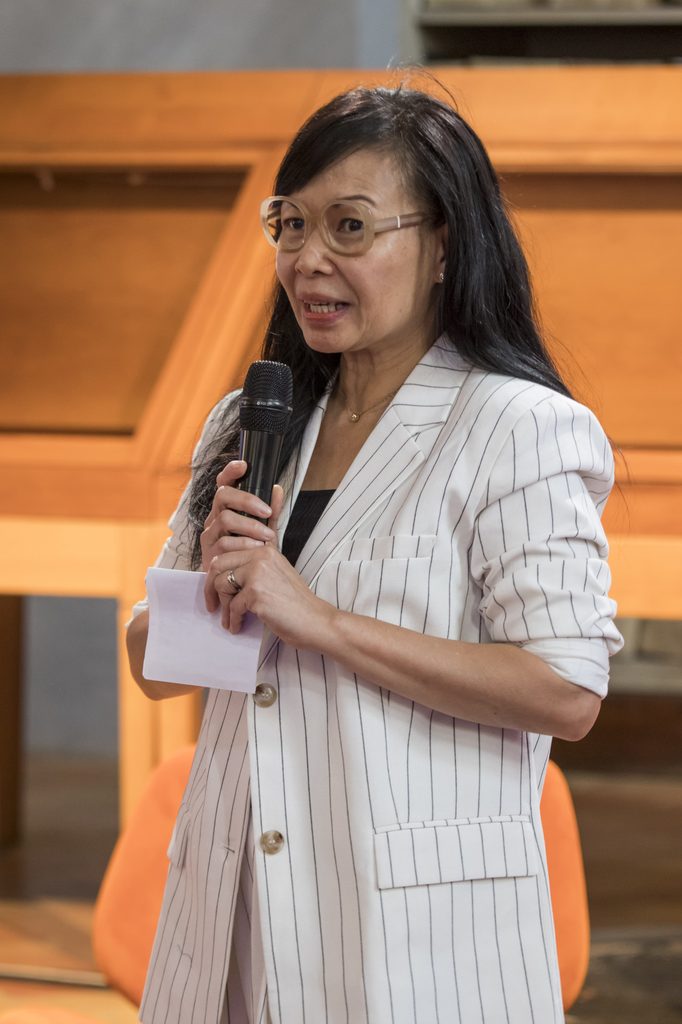
(UNESCO)
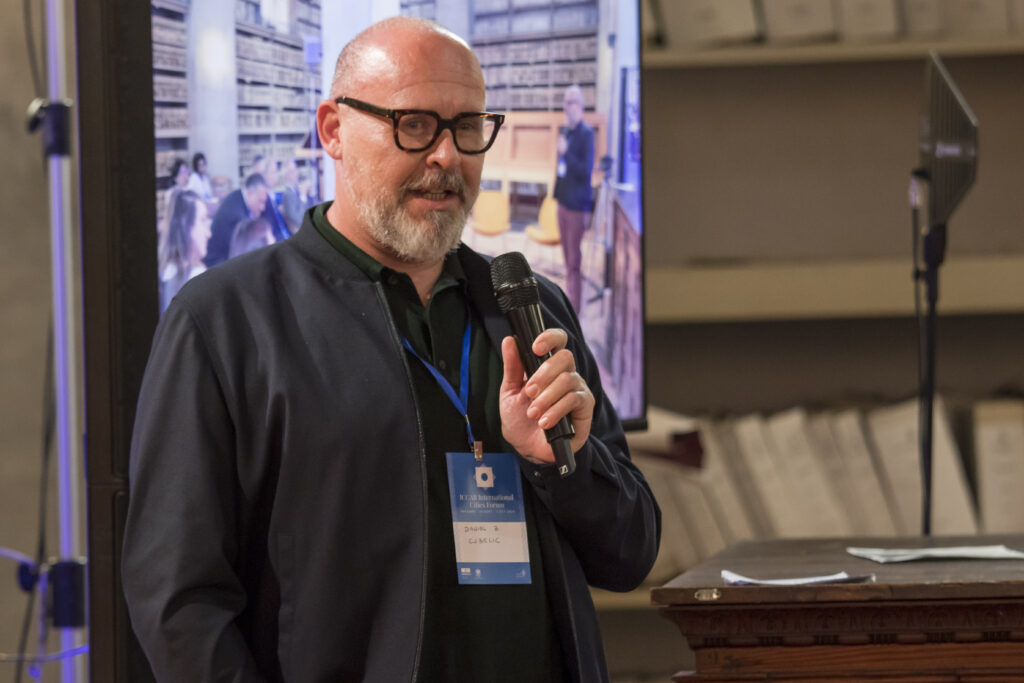
(City of Heidelberg, Germany)
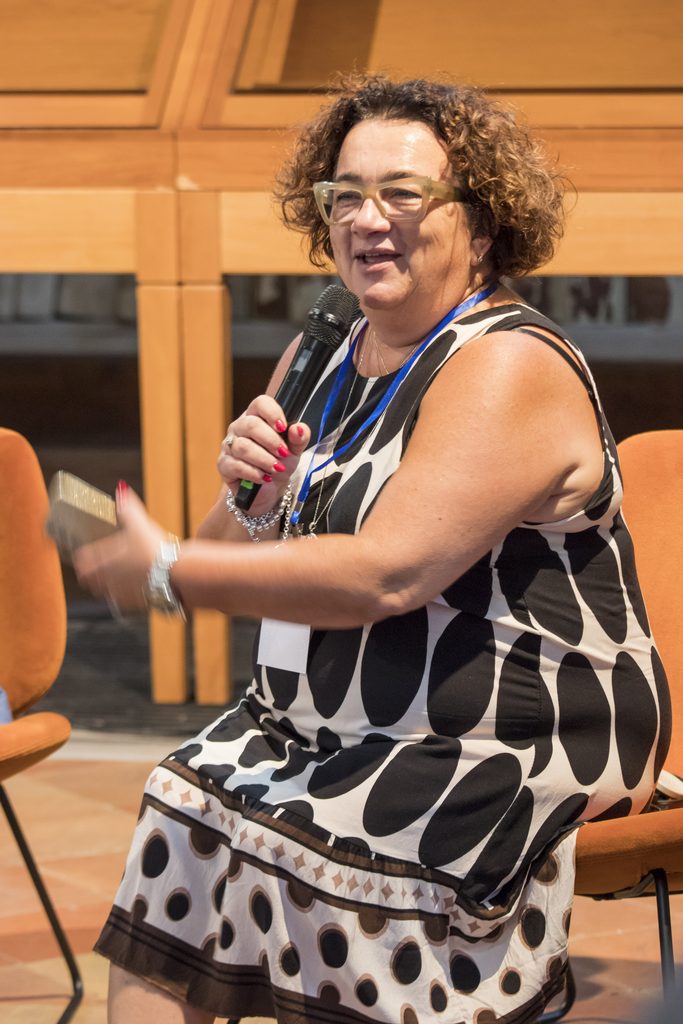
(Nova Project)
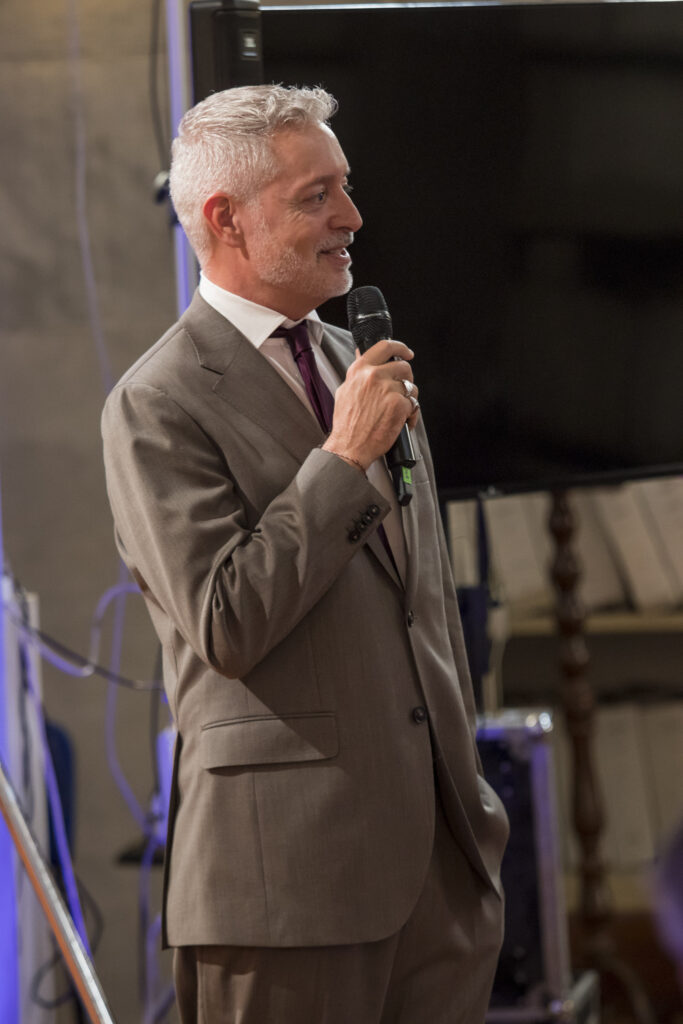
(City of Bologna, Italy)
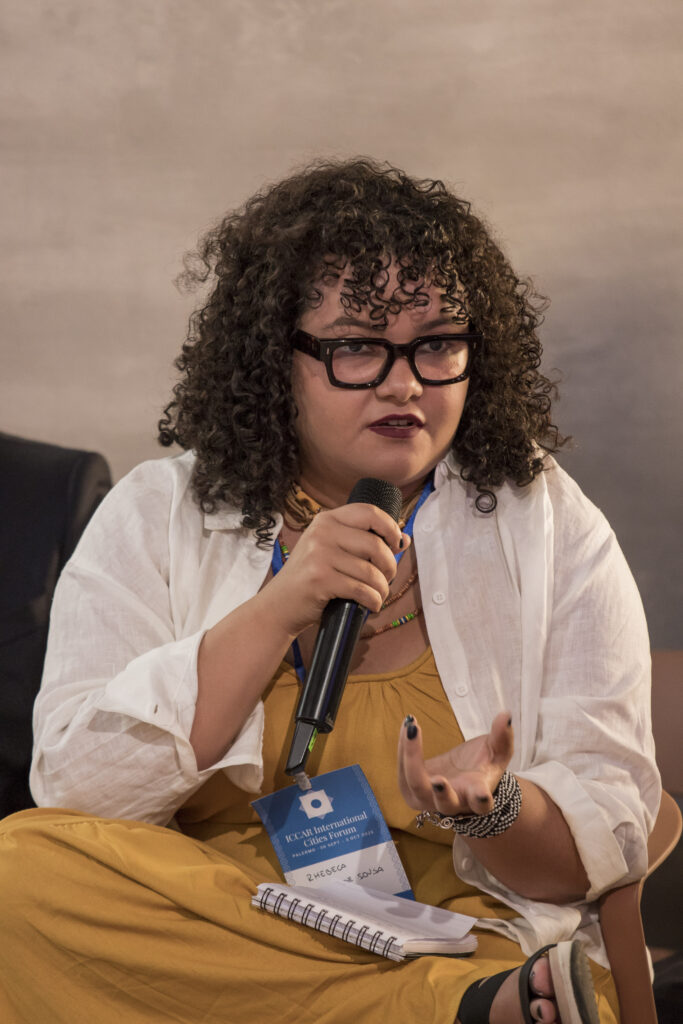
(Brasil – Alumni)
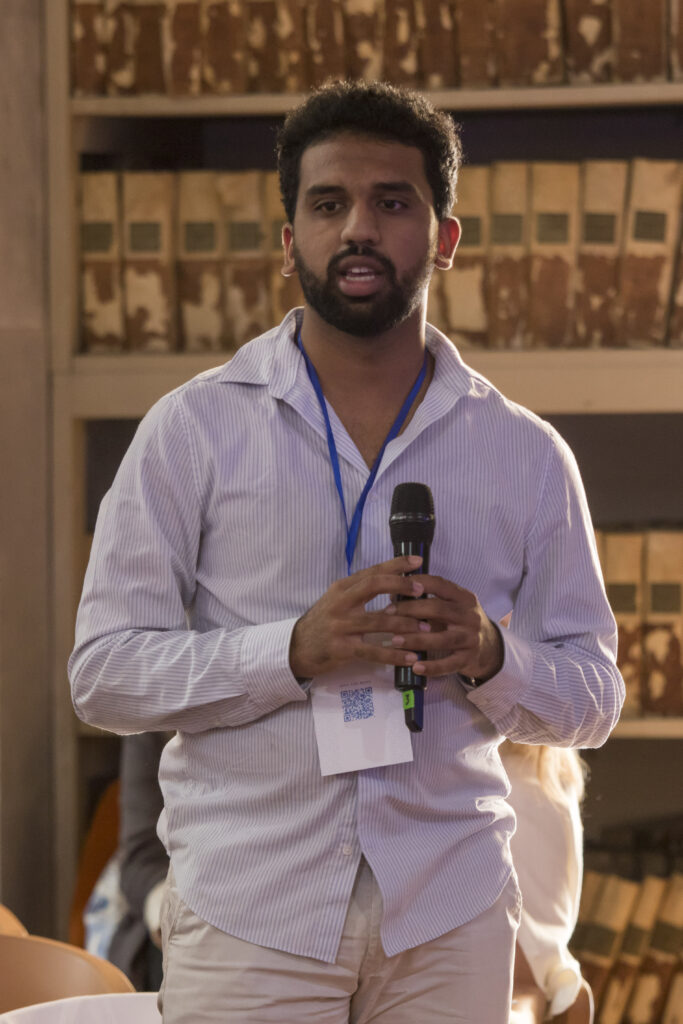
(Israel – Alumni)
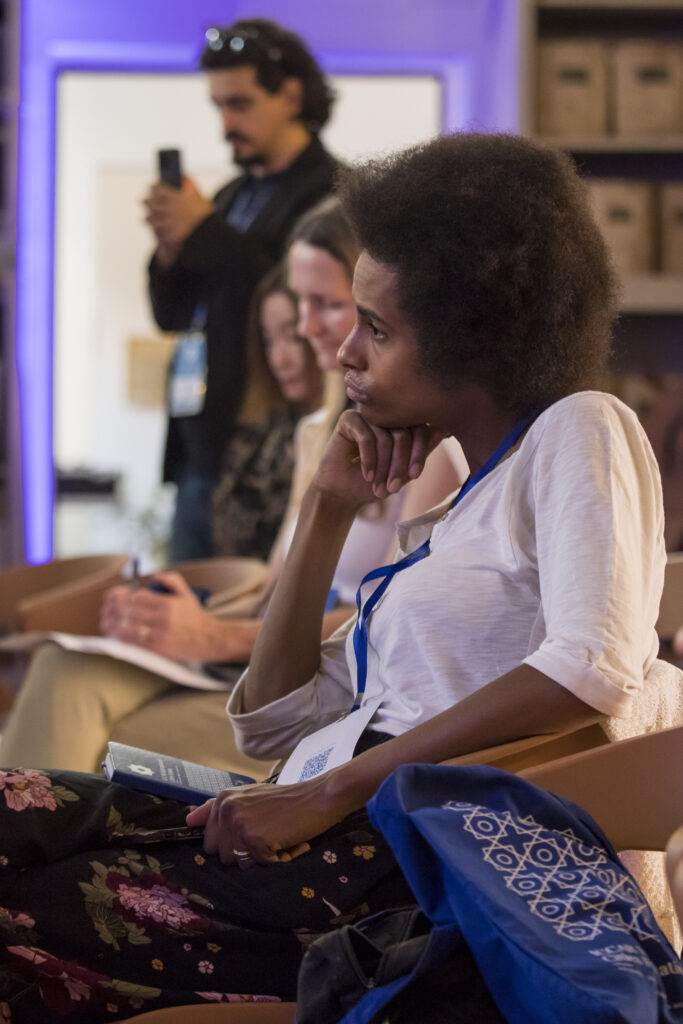
(Italy – Alumni)
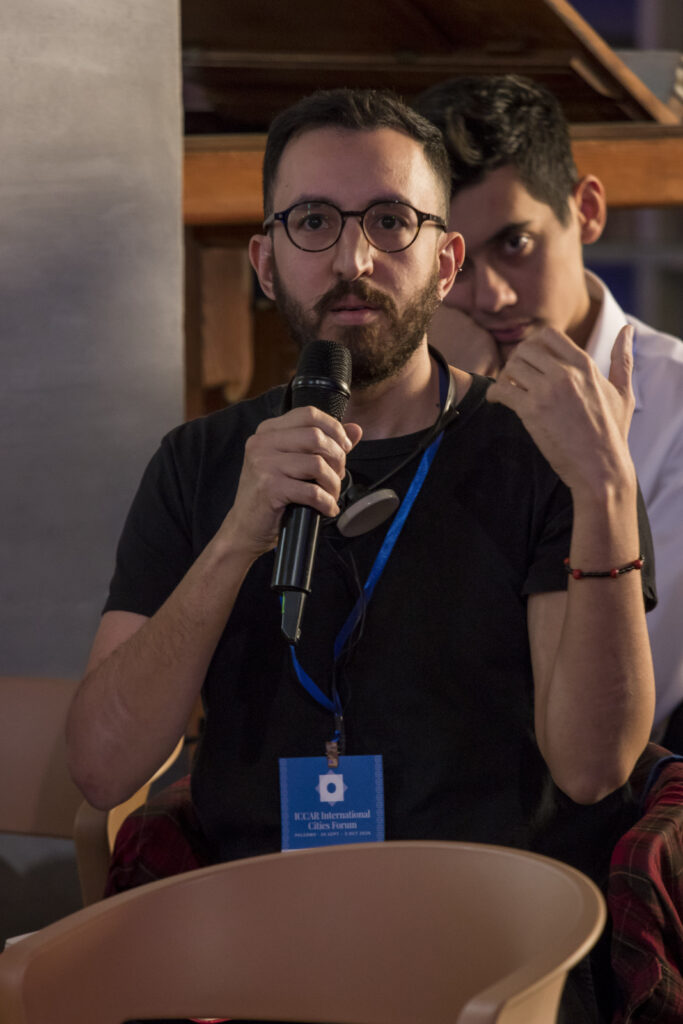
(Brasil – Alumni)